A wine glass can leave our packing line in perfect condition and still arrive as a box of glitter. When we ship glass drinkware to bars, restaurants and brand buyers in the US, Australia and Europe, the deciding factor is almost never the carrier — it's what we put between the glass and the first drop. Carriers drop cartons; that is priced into the job. The packing is what saves the product.
This is the checklist we run on every glass order before it leaves the factory, and the questions you should put to any supplier before you pay for a container of drinkware.
1. The three layers that actually stop breakage
There are three layers between a coupe and the floor, and most buyers only think about the last one:
- The primary wrap — each glass wrapped individually in a foam sleeve or bubble wrap. The wrap's job is point pressure: two glasses pressed together at a single spot is where rims chip.
- The inner divider — a cardboard grid, or a molded-pulp cell box, that keeps every glass from touching its neighbour inside the carton. This is the layer that does most of the work.
- The carton — 5-ply corrugated board with enough crush strength to survive sitting at the bottom of a pallet or container stack.
If a supplier quotes a glass price far below everyone else, this is usually where they cut: no individual wrap, no divider, thin cartons. The glass still looks fine in the listing photo. You find out the difference when the container arrives.

Ultra-thin rims (under 1mm) get the most careful packing on our line.
2. Fragility isn't one number — it depends on the glass
Not all glass drinkware breaks the same way. We sort every SKU into a fragility class before deciding how to pack it:
| Glass type | Where it breaks | Breakage risk | Packing we use |
|---|---|---|---|
| Ultra-thin 150ml crystal glasses | Rim (under 1mm) | High | Foam wrap + individual cell |
| Stemmed coupe / wine glasses | Stem and bowl | High | Stem-supported cell, no pressure on bowl |
| Heavy-base whiskey glasses | Rim chip only | Low | Divider grid, light wrap |
| Borosilicate beer can glass | Rarely | Low | Divider grid |
The rim is the weakest point on nearly every glass. An ultra-thin 150ml crystal glass has a rim around 1mm thick, so those get individual cells and foam. A heavy-base old fashioned whiskey glass — the one with the thick bottom — is the most forgiving; it can survive a carton drop that would shatter a coupe.
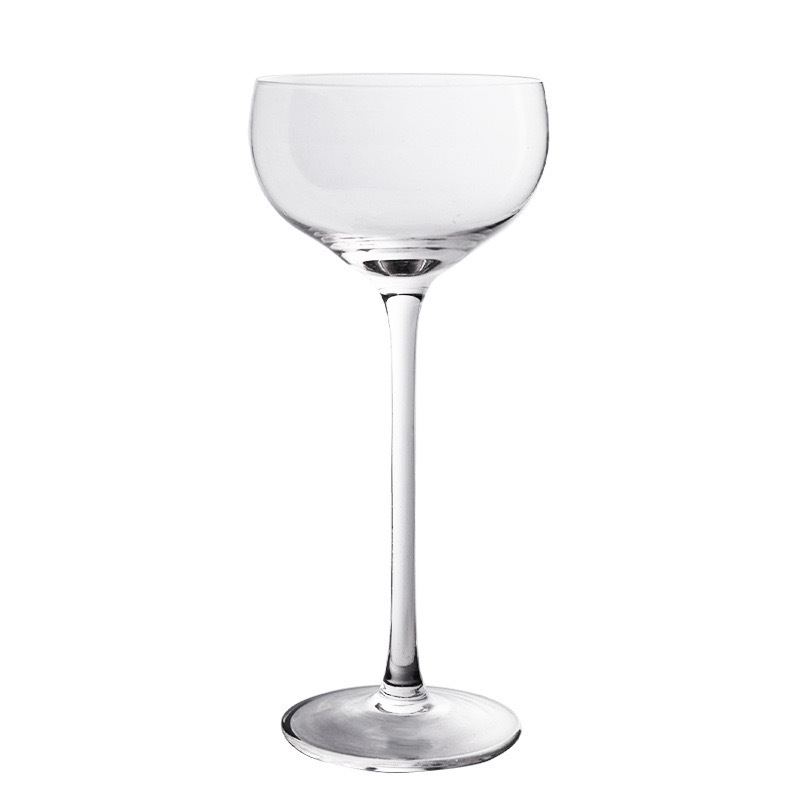
Stemmed coupes are packed so the stem — not the bowl — takes the weight.
3. The drop test you should ask about
Before we ship a new glass SKU in volume, we drop-test a fully packed carton. The test that matters is simple: a sealed carton dropped flat onto concrete from 76 cm (30 inches) on each face, corner and edge. The carton is allowed to crush. The glasses inside are not allowed to break.
Ask any supplier: "Do you drop-test a full carton from 76 cm, and will you send me the pass result for my SKU?" If the answer is "the glass is strong," that's not an answer. You want to hear about the test, not the glass.
4. Carton loading and container math
Breakage also happens when cartons are stacked badly. The rules we follow on the loading dock:
- Never overstuff — if the glass presses hard against the carton lid, the lid loads pressure straight onto the rims.
- Fill every carton — a half-empty carton collapses when the pallet above it sits down.
- Kill the voids — empty space in a 40ft container gets packed with dunnage; a carton that can slide slams into its neighbour at every braking event.
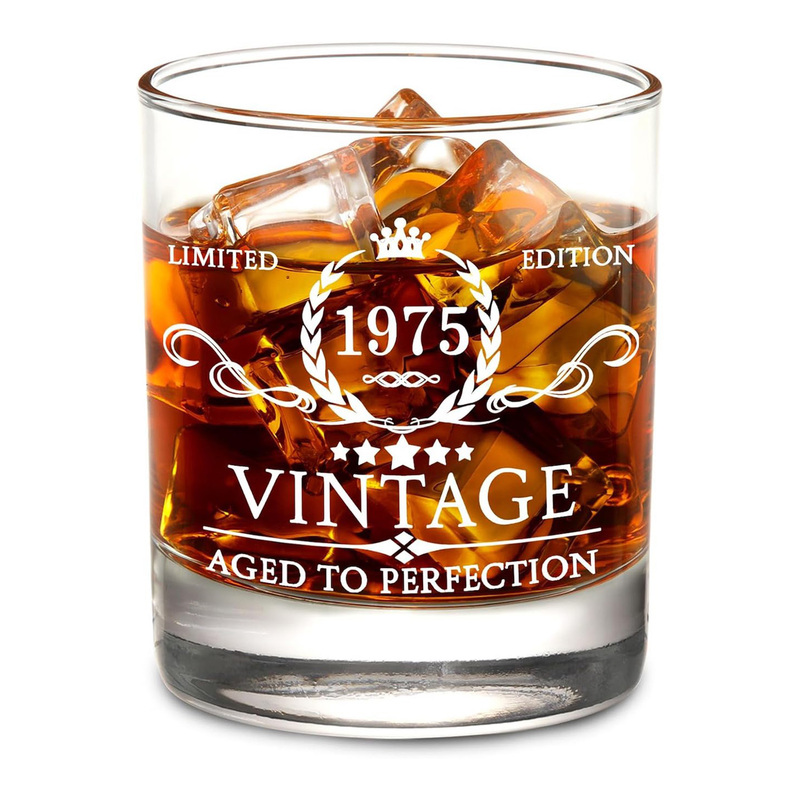
Heavy-base whiskey glasses survive drops that would end a coupe — a good entry point for first-time importers.
5. Breakage allowance: plan for it, don't fear it
Even with perfect packing, glass breaks. The industry standard is to plan for 1–2% breakage on long-haul glass shipments, and to have the factory pack a small overrun to cover it. Ask for a +2–3% overrun on glass orders — it costs a few extra dollars now and saves you air-freighting a reorder of 40 coupes later.
On insurance, check what your freight covers before you need it. Marine cargo insurance is cheap relative to a pallet of branded glass, and a claimed breakage rate of 1–2% is far easier to settle when the cartons were drop-tested and photographed before loading.
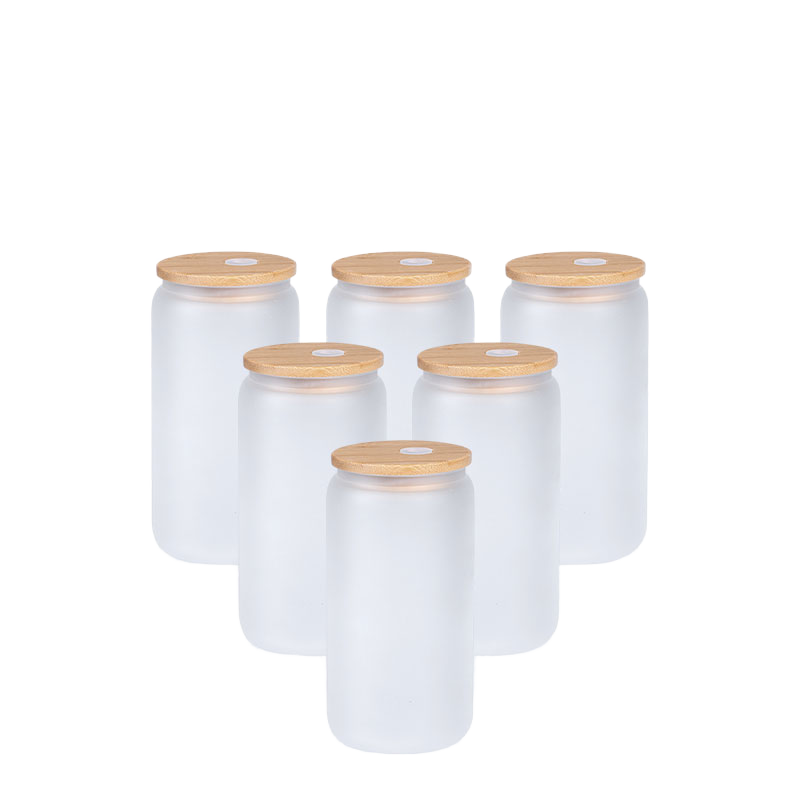
Borosilicate beer can glasses are the lowest-risk glass SKU we ship — thick walls, no stem.
6. The checklist to send your supplier
Copy these six lines into your next RFQ. If a supplier can answer all six cleanly, you've found someone who has actually shipped glass before:
- Individual wrap — foam or bubble on every single glass?
- Inner divider — cardboard grid or molded-pulp cells, with no glass touching glass?
- Carton — 5-ply corrugated with a stated crush strength?
- Drop test — 76 cm full-carton pass on every face, corner and edge?
- Overrun — +2–3% packed free to cover breakage?
- Container — dunnage for voids and a layer plan for the pallets?
Shop These Products on Alibaba
Four glass SKUs we ship regularly, with reference listing prices and MOQs checked 2026-10-03:
| Product | Reference price | MOQ |
|---|---|---|
| 150ML Ultra-Thin Lead-Free Crystal Glasses | US$0.95 / pc | 48 pcs |
| 150ML Lead-Free Crystal Coupe Glasses | US$0.95 / pc | 48 pcs |
| Old Fashioned Whiskey Glass, Heavy Base | US$0.65 / pc | 50 pcs |
| 16oz Borosilicate Beer Can Glass with Bamboo Lid | US$0.85 / pc | 50 pcs |
Prices above are reference listing prices as of 2026-10-03, not final quotes — your landed cost depends on quantity, decoration and destination. Ask for the packing spec and drop-test report along with the price.
Ready to order glass drinkware that survives the trip?
Tell us the SKU, quantity and destination — we'll come back with a quote, the packing spec for that glass, and the drop-test result before anything ships. We also pack a small overrun free on glass orders.