When a wholesale buyer says "I need my logo on the glasses," what they're really deciding is a printing method. Get it wrong and the logo cracks in the dishwasher, smears on the first pour, or costs twice what it should. Get it right and a US$1.30 glass becomes a branded item that works for you every time it's raised.
Most drinkware — glass, steel and even bar tools — gets marked one of three ways: screen printing, UV printing or pad printing. This guide explains what each method does, what it costs per unit at different volumes, and which one belongs on the product you're ordering. It's the same conversation we have with bars, restaurants and promo companies every week.
1. The three methods, in plain English
Screen printing
Screen printing pushes ink through a fine mesh stencil onto the surface, one color at a time. Each color needs its own screen, so a three-color logo means three screens and three passes. It's the workhorse for solid-color logos on the flat or gently curved side of a glass or tumbler. The ink is thick, the colors are punchy, and once the ink is heat-cured it's the most durable of the three on glass.
UV printing
UV printing is digital: a print head jets ink directly onto the product, then a UV lamp cures it instantly. There are no screens and no plates, which is why it's the only method that handles photographic images, gradients and full-color logos out of the box. Per piece it's usually the priciest, but with zero setup cost it wins on short runs and on artwork with many colors.
Pad printing
Pad printing is the one that saves the day on curved or uneven surfaces. Ink sits in an etched plate, a soft silicone pad picks up the image, and the pad transfers it onto the product. Because the pad is flexible, it can wrap around a curved glass or press into an embossed pattern where a flat screen can't reach. It's ideal for small logos — the kind you see near the base of a glass.
2. The comparison at a glance
| Screen printing | UV printing | Pad printing | |
|---|---|---|---|
| Best for | Flat / cylindrical sides | Full-color, photos, gradients | Curved, embossed, small logos |
| Colors | 1–6 spot colors | Unlimited (full color) | 1–4 spot colors |
| Setup cost | Screen fee per color | None (digital) | Plate fee per color |
| Durability | Highest once cured | Good, can wear on high-contact spots | Good for small marks |
| Cost per unit | Lowest at volume | Higher, flat with volume | Cheap for small logos |
There's no single "best" method — there's a best method for your artwork, your surface and your quantity. The table above is how we shortlist it for a buyer before the artwork even arrives.
3. Which method goes on which product
Glass — rocks, whiskey and wine glasses. Most logo glasses are screen printed with one or two spot colors on the side; the ink is heat-cured and survives the dishwasher better than the other two methods. If the glass has an embossed or textured face, that's where pad printing steps in — a screen can't bridge the relief, but a silicone pad presses right into it. For a deeper look at glass shapes and etching for restaurants, see our custom wine glasses guide.
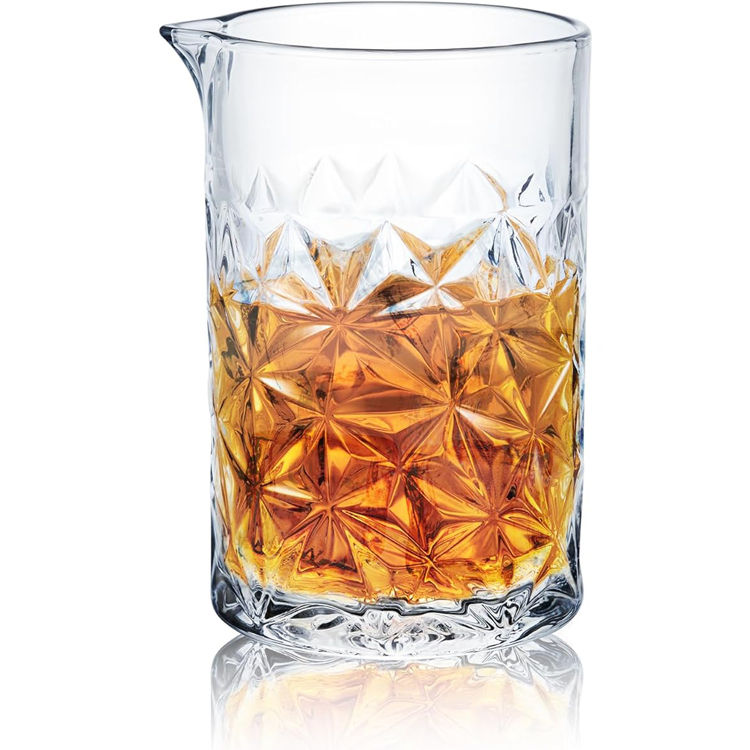
A smooth, gently curved side is exactly the geometry screen printing handles best on glass.
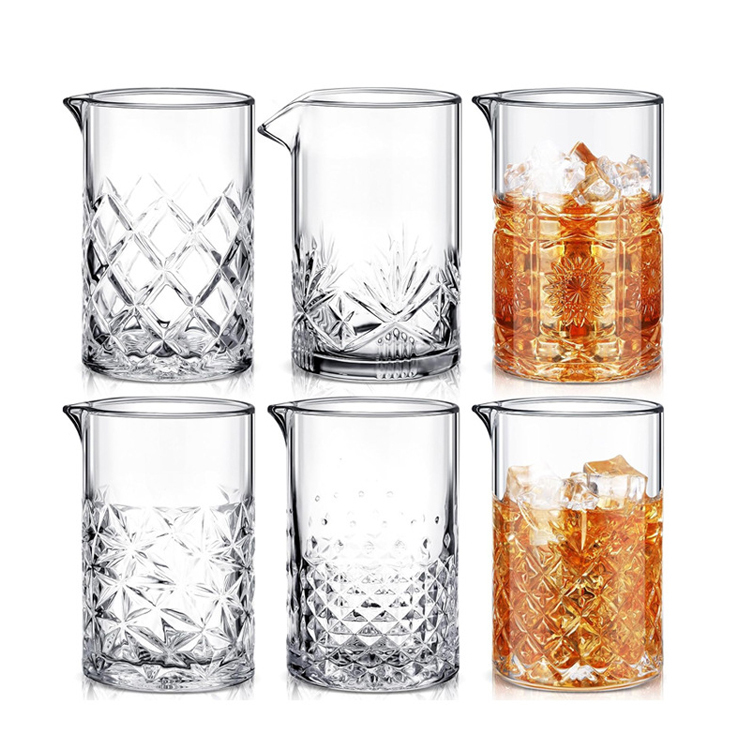
An embossed pattern is pad-printing territory — the flexible pad reaches into the relief where a screen can't.
Stainless steel tumblers. The field is wider here. UV printing is the go-to for full-color logos and photos on a steel body, while screen printing handles simple one-color marks. Steel also opens a third option that glass doesn't: laser engraving, which cuts the logo into the surface instead of printing onto it. For the durability picture on that, read our sublimation vs laser engraving comparison. A 20oz double-wall stainless tumbler is the surface we print most for corporate and retail runs.
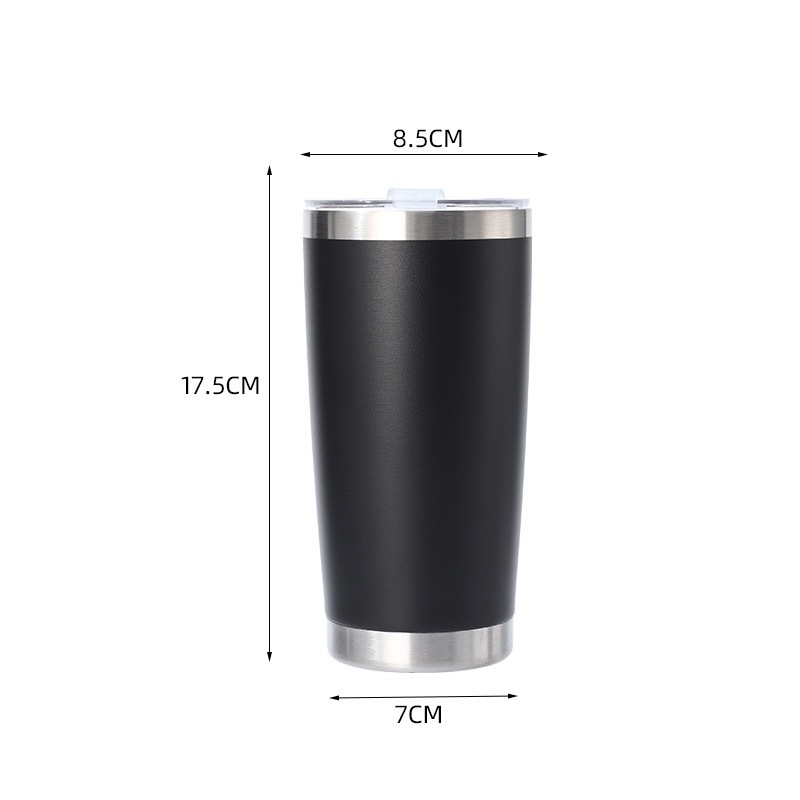
Steel tumblers take UV or screen printing well — and offer laser engraving as a third, more permanent route.
Curved shot glasses and small marks. A shot glass is small and strongly curved, which is exactly the geometry pad printing was invented for — a single small logo near the rim or base, stamped quickly and cheaply at high volume. Custom logo shot glasses are one of the highest-volume pad-printed items we ship.
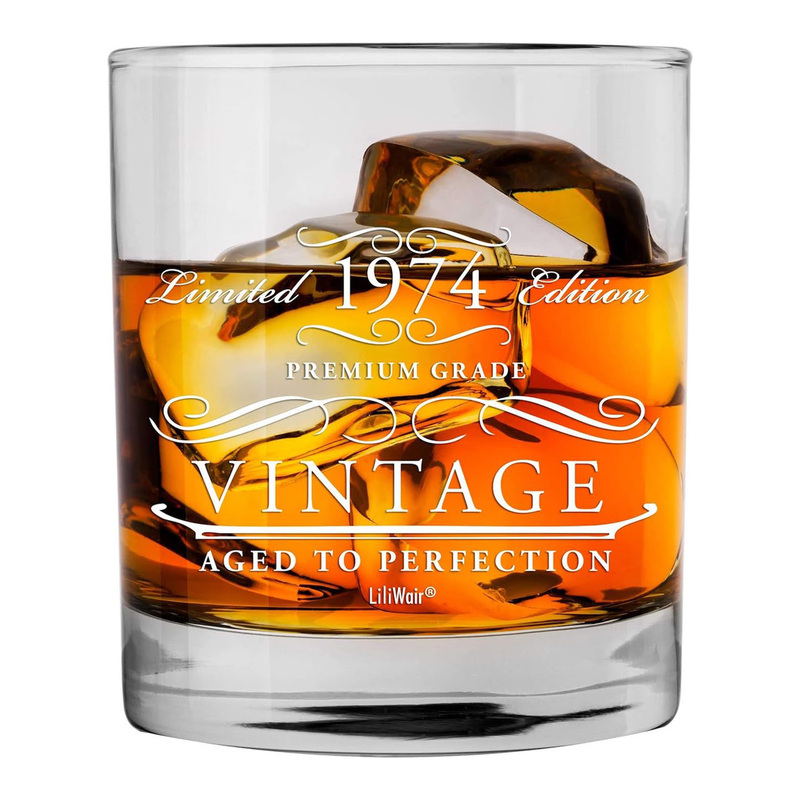
A small, strongly curved shot glass is the classic pad-printing job — one mark, stamped fast.
4. Cost per unit: where each method earns its keep
Here's the practical rule we give buyers, volume by volume:
- Few colors, big volume (500 pieces and up): screen printing. The per-color screen fees amortize to almost nothing across a large run, and the per-unit ink cost is the lowest of the three.
- Full color, short run (50–500 pieces): UV printing. No setup means you're not paying screens or plates on a small order — you pay a flat digital rate per piece instead.
- Small logo on a curved or embossed surface, any volume: pad printing. The plate is inexpensive and the stamp cycle is fast, so small marks stay cheap even at low quantities.
The common mistake is ordering a full-color logo and paying for four screens on a 200-piece run, or screen printing a tiny logo onto a curved surface and watching it distort. Matching the method to the artwork and the surface is where most of the savings live.
The product prices quoted later in this post are listing prices from our Alibaba store, checked 2026-09-24 — an estimate, not a final quote. Your landed price depends on the printing method, number of colors, order quantity and destination, and no supplier can promise a delivered price without your address and dates.
5. Durability and the dishwasher question
If the product will go through a commercial dishwasher — as bar glassware does — durability decides the method as much as cost. Cured screen ink on glass is the toughest of the three; it's why a screen-printed bar glass can hold its logo through years of wash cycles. UV ink adheres well but sits slightly proud of the surface, so on high-contact areas it can scratch or wear faster than cured screen ink. Pad printing lands in between — durable for its size, and well suited to small marks that see less friction.
Whatever you choose, the sample tells you more than the spec sheet. Always ask for a sample printed with the actual method and run it through your own dishwasher before committing to 1,000 pieces.
6. Questions to ask your supplier
- "Which method do you recommend for this artwork?" — a factory that prints every day answers immediately and explains why; a middleman hesitates.
- "How many screens or plates, and what are the fees?" — setup fees are the hidden cost of screen and pad printing. Know them before you compare quotes.
- "Is the sample printed with the actual production method?" — some suppliers sample with a cheaper or faster method that isn't what you'll receive.
- "Can you match my Pantone color?" — spot-color work lives or dies on color matching.
- "What's the per-unit charge at my exact volume?" — the per-piece price should fall as volume rises; if it doesn't, ask why.
Shop these drinkware products on Alibaba
Four products we stock that span the methods above, with their current listing prices. Final price depends on the printing method, colors and quantity — request a quote with your artwork and numbers.
| Product | Surface | Listing price* | MOQ |
|---|---|---|---|
| Whisky Retro Embossed Crystal Whiskey Glass | Embossed glass | US$1.30 | 100 pcs |
| Lead-Free Crystal Rocks / Whiskey Glass | Smooth glass | US$1.30 | 100 pcs |
| Custom Logo Transparent Whiskey Shot Glasses | Curved glass | US$0.65 | 50 pcs |
| 20oz Double-Wall Stainless Steel Tumbler | Steel | US$1.65 | 25 pcs |
*Listing prices from our Alibaba store, checked 2026-09-24 — an estimate, not a final quote. Your landed price depends on printing method, colors, quantity and destination.
See the full range of 390+ products on our Alibaba store, browse our drinkware category for more printable glass and steel, or read how we handle custom logos and print setup across the catalog. Not sure which method fits your artwork? Send us your logo and quantity — we'll recommend the right method and quote it.