Your first import order feels bigger than it is. Every first-time buyer we talk to worries about the same three things: what an MOQ really commits them to, what a sample actually proves, and how long production plus shipping truly takes. All three are knowable numbers — none of them require trusting a stranger's promise.
This is the guide I'd want before sending a first inquiry. It covers how minimum orders work, how to sample without wasting money, how to read a lead time, and how to pay in a way that keeps your money recoverable. I'm writing from a bar-tools factory in Hangzhou — the other side of the messages you're about to send.
1. What an MOQ actually commits you to
MOQ — minimum order quantity — is the smallest order a factory will produce at the listed price. It exists because the factory doesn't make its money on the item; it makes it on the setup. Preparing a production line, loading a laser file or mixing a color takes the same half-day whether you order 50 pieces or 5,000. The MOQ is simply the point where that setup cost stops eating the whole order.
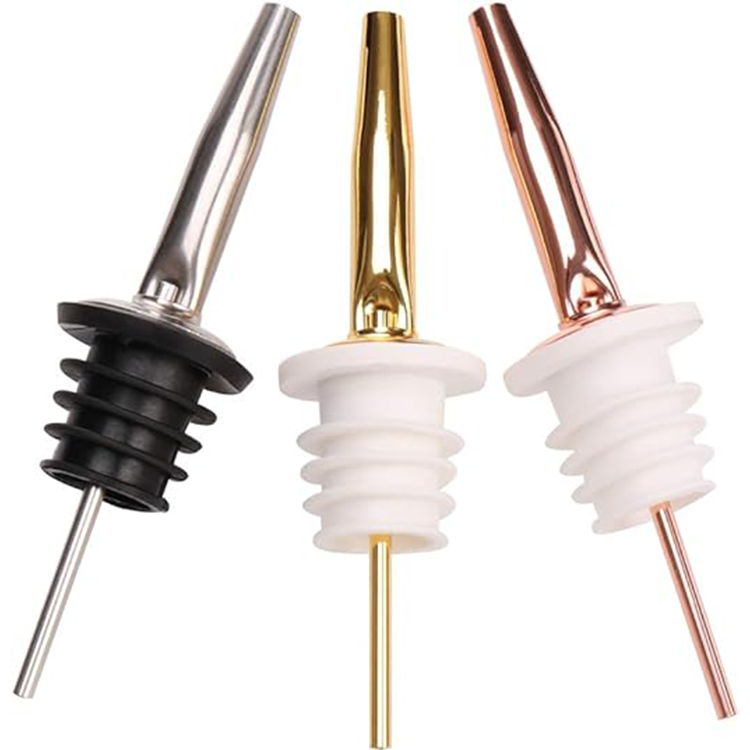
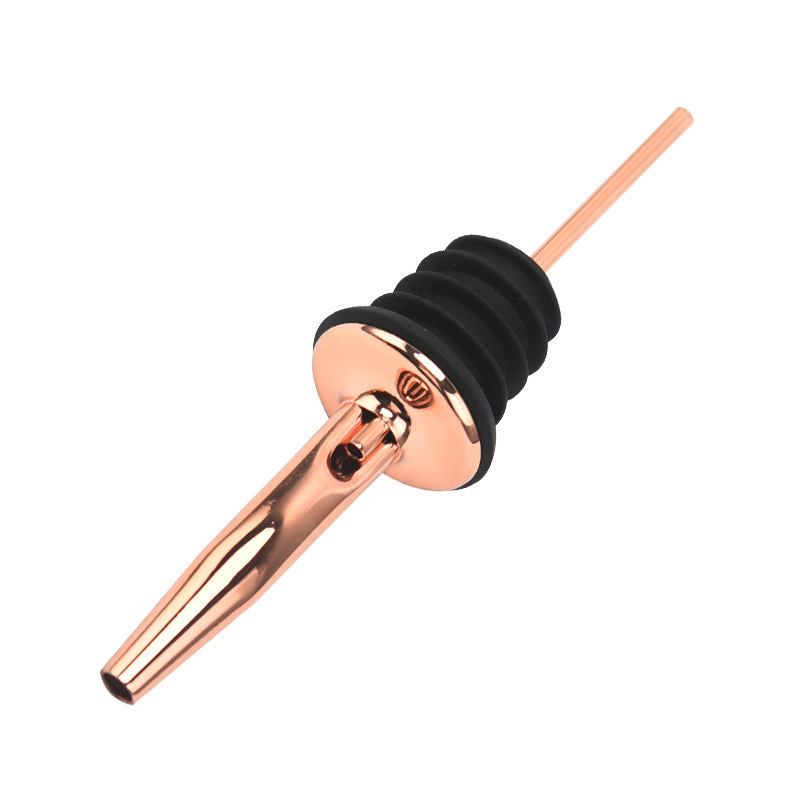
Bar supplies sit at the friendly end of the MOQ scale. Small steel and plastic accessories — pourers, bar spoons, strainers, jiggers — commonly start at 50 or 100 pieces. A plastic speed pourer with a dust cap can be MOQ 100 at US$0.15 a piece; a stainless bottle pourer MOQ 50 at US$0.26. That's a first order of well under US$100 in product value. You don't need a container to start.
One warning: the MOQ often rises sharply once you add a logo. A factory may happily run 50 blank units but ask for 200–500 the moment printing or engraving is involved, because the setup for decoration is separate from the setup for the product. Always ask "what is the MOQ for the customized version?" — it's a different number, and it's the one you'll actually order.
2. How to read a listing price
The number on a listing is a per-unit ex-factory price, not your landed cost. Between the listing and your storeroom sits freight, possibly duty, and — if you're branding — a setup fee plus a per-piece decoration cost. A US$0.26 bottle pourer does not cost US$0.26 by the time it's on your shelf.
Three numbers matter more than the sticker: the MOQ (your real minimum spend), whether the price includes your logo or only the blank item, and the freight term. "Free shipping" on a 100-piece parcel is not the same thing as a pallet of goods clearing customs. Before you compare two suppliers, ask each one for the same three numbers in the same units. Then run them past our bar tools range to see where the market sits, and read how customization pricing layers on top of a blank unit.
3. Sampling, in the right order
A sample is the cheapest insurance in importing. For bar tools it usually costs US$20–50 plus courier — and many factories credit the sample fee against your bulk order. The mistake first-timers make is sampling the wrong thing: they judge color from a photo, then pay to ship a blank sample, then complain the final product "looked different."
- Approve a digital mockup first. Artwork placement, logo size and colors cost nothing to check on screen. Fix them here.
- Order one pre-production sample of the exact item you'll buy, with your logo if the MOQ allows it.
- Check the physical sample against spec: material, weight, finish, and — for anything that touches a drink — smell and edge finish.
- Keep the sample. It becomes the reference your bulk order is checked against.
When the sample arrives, run the same checks on it that we describe in our 304 vs 201 vs 430 stainless steel guide — a magnet and a close look at the weight catch most grade switches before they become a container-load problem.
4. Lead times: "7 days" is never the whole story
Production lead time for standard bar supplies is usually quoted as 7–15 days after artwork approval. That number covers the factory only. Freight stacks on top: express courier 3–7 days, air freight 7–12 days, sea freight 25–40 days from a Chinese port to a US or European port — and that's before customs clearance and last-mile delivery.
A realistic total for a first order: sea is 6–9 weeks door to door, express is 2–3 weeks. If you're buying for a dated event, work backwards from the event date, add two weeks of buffer, and then tell the factory your deadline — our holiday ordering calendar shows the same math in month-by-month form. If the timing doesn't work, air freight is the lever you can pull: it costs more but it's predictable. And if your order is glass, plan around breakage-safe packing from the start.
5. Incoterms in one table
Incoterms define who arranges and pays for freight, and where the risk of loss transfers from seller to buyer. You don't need all eleven — first-timers only need these four:
| Term | Freight arranged by | Risk passes to you | Best for |
|---|---|---|---|
| EXW (ex-works) | You | At the factory gate | Experienced buyers with a forwarder |
| FOB (free on board) | You, from the port | When goods load at origin | Most first-time importers |
| CIF (cost, insurance, freight) | Seller, to destination port | When goods load at origin | Buyers who want one price to port |
| DDP (delivered duty paid) | Seller, all the way | At your door | Small first orders — higher unit cost |
Start with FOB or DDP. FOB keeps you in control of the sea leg with a forwarder you choose; DDP is the "one price to my door" option that removes most moving parts at a higher unit cost. Ask the factory to quote both, then compare against your own forwarder's number.
6. Paying without paying a ghost
The safest first order runs through Alibaba's Trade Assurance, which holds payment until the goods ship and match the contract. Keep the deposit/balance split in writing (commonly 30% deposit, 70% before shipment), never move payment off-platform to a personal account, and keep every approval — artwork, sample, color — in the message thread. That thread is your evidence if anything is disputed.
A simple test of any supplier: they answer "what's the MOQ for the logo version?" and "can I get a sample first?" without hesitation. If either answer is vague, keep shopping. When you're ready to commit, our buyer checklist condenses everything above into a single page you can work through before paying a deposit.
Shop These Products on Alibaba
| Product | Type | Listing price | MOQ |
|---|---|---|---|
| Liquor Pour Spouts with Dust Caps | Speed pourer | US$0.15 | 100 |
| Stainless Steel Bottle Pourer with Stopper | Bottle pourer | US$0.26 | 50 |
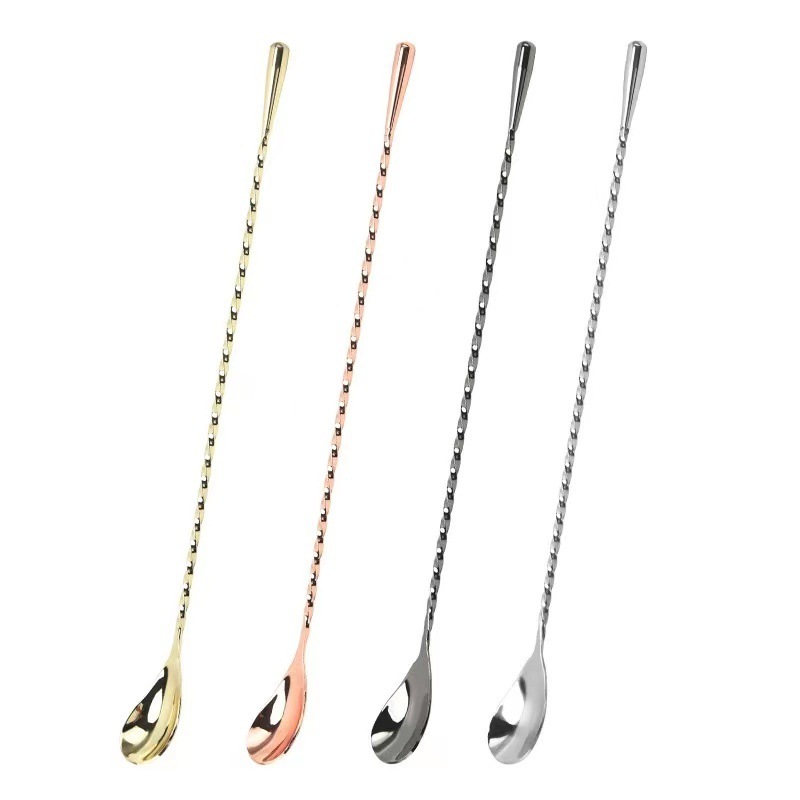
| Copper Gold 304 Stainless Steel Bar Spoon | Bar spoon | US$0.48 | 50 |
| Custom Zinc Alloy Metal Wine Corks | Wine stopper | US$0.43 | 50 |
Prices are the Alibaba listing prices as of 6 October 2026 and can change. Your final quote depends on quantity, finish and logo. MOQs are per listing — get in touch for a firm, landed price for your destination.
Ready to place your first order?
Start with one product, one logo and one destination — don't build a 12-SKU first order. Tell us your item, quantity and port, and we'll walk you through the MOQ, the sample, the freight term and a quote. Custom logo and set packaging in one order if you want it.